
Advocacy News – March 29, 2022
On Monday, a new federal budget discussion began as President Joe Biden laid out what he believes are key funding components for the upcoming fiscal year (FY23). The suggested appropriations would total nearly $6 trillion and provide Congress a starting point in which to create and build their own respective budget proposals. As seen within the previous federal budget discussion, the president sought to reform many tax policies and provisions. So, what changed and what remained? We break it down below:
- Corporate Income Tax (CIT) Rate Increase: Biden’s budget proposal would reverse the federal graduated CIT that President Trump eliminated under the 2017 Tax Cuts and Jobs Act (TCJA). Former President Trump exchanged the graduated scale for a flat rate of 21 percent. However, President Biden has opted to pursue a 28 percent federal CIT for all C corporations beginning January 1, 2023. The increase is expected to bring in $360 billion.
- Increase the Income Tax Rate for Certain Taxpayers: Calling for progressivity of the U.S. tax system and similar to previous proposals, President Biden suggested increasing the income tax rate to 39.8 percent for America’s highest earners, while simultaneously lowing the threshold to in turn expand the tax base. Beginning January 1, 2023, should the proposal become permanent, the tax structure will be as follows:
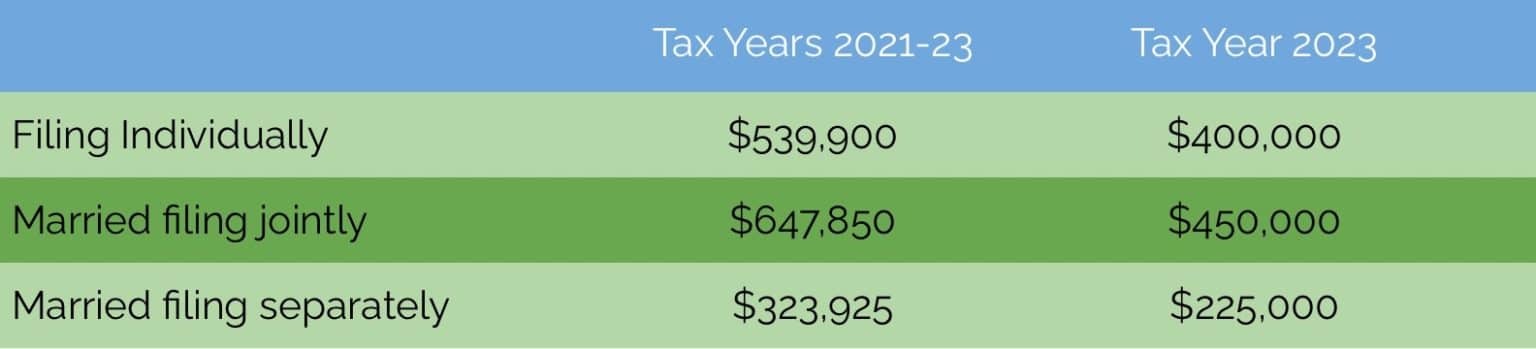
Although the tax base would broaden beginning January 1, 2023, those taxpayers would be taxed at a 37 percent rate until 2026. Eligible taxpayers will see the 39.8 increase at the beginning of tax year 2026.
- Offshore Job Incentives: According to the U.S. Department of Treasury’s explanation of Biden’s proposed plans, “The Administration would like to create a tax incentive to bring offshore jobs and investments back into the United States. In addition, the Administration proposes to reduce the tax benefits that exist under current law for expenses incurred to move U.S. jobs offshore.” This is not a new proposal for the president as he has previously suggested a “Made in America” tax credit that would have rewarded corporations that brought offshore jobs back onshore, raise manufacturing wages, and those that reopen or retool U.S. facilities, while heavily taxing corporations that produce products offshore, but sell on the U.S. market.
The Michigan Chamber of Commerce will continue to monitor any appropriation progress made at the federal level and will continue to work alongside the U.S. Chamber of Commerce to ensure Michigan employers and their priorities are advocated for during the upcoming budget negotiations.
For more questions or information, please contact Leah Robinson at lrobinson@michamber.com.